They are making a few good pointers about Tips on Maintaining a Water Heater overall in this post just below.
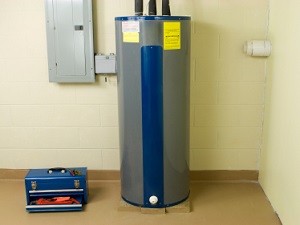
Warm water is essential for daily comfort, whether it's for a revitalizing shower or cleaning dishes. To ensure your hot water system runs successfully and lasts longer, regular maintenance is crucial. This write-up gives practical suggestions and understandings on just how to maintain your home's hot water system to avoid disruptions and costly repair work.
Intro
Maintaining your home's hot water system may appear difficult, yet with a few basic steps, you can ensure it operates smoothly for many years to find. This overview covers every little thing from understanding your warm water system to do it yourself maintenance ideas and understanding when to employ specialist aid.
Value of Maintaining Your Warm Water System
Regular maintenance not only prolongs the life-span of your warm water system however also ensures it operates effectively. Ignoring maintenance can result in decreased performance, greater energy expenses, and even premature failure of the system.
Indications Your Hot Water System Demands Upkeep
Understanding when your hot water system needs attention can prevent significant problems. Keep an eye out for indications such as irregular water temperature, strange noises from the heater, or rusty water.
Purging the Water Heater
Flushing your water heater gets rid of debris accumulation, improving performance and extending its life.
Checking and Changing Anode Rods
Anode poles stop corrosion inside the container. Evaluating and replacing them when broken is important.
Complicated Problems Calling For Professional Help
Instances include major leakages, electric issues, or if your water heater is constantly underperforming.
Routine Specialist Upkeep Conveniences
Specialist upkeep can include detailed evaluations, tune-ups, and making certain conformity with safety and security standards.
Inspecting and Adjusting Temperature Level Settings
Readjusting the temperature setups guarantees optimum performance and security.
Do It Yourself Tips for Maintenance
You can execute a number of upkeep tasks on your own to keep your warm water system in top problem.
Looking for Leaks
Regularly check pipes and connections for leaks, as these can lead to water damage and greater bills.
Comprehending Your Warm Water System
Before diving into maintenance tasks, it's practical to understand the fundamental parts of your warm water system. Usually, this consists of the water heater itself, pipes, anode poles, and temperature level controls.
Monthly Maintenance Tasks
Routine month-to-month checks can help catch minor problems prior to they intensify.
Examining Pressure Alleviation Valves
Testing the stress safety valve guarantees it functions correctly and avoids extreme stress build-up.
Protecting Pipes
Protecting warm water pipelines lowers heat loss and can save energy.
When to Call an Expert
While do it yourself upkeep is valuable, some issues require professional competence.
Verdict
Normal upkeep of your home's hot water system is vital for performance, longevity, and cost savings. By complying with these tips and recognizing when to look for specialist aid, you can guarantee a trusted supply of hot water without unexpected disturbances.
How to Maintain and Troubleshoot Your Heat Pump Water Heater
Know Your Water Heaters Error Codes and How to Clear Them
If your unit is WiFi-enabled, pay attention to the notifications your water heater system sends you and make sure to read and investigate error codes as soon as possible. If your machine has an error code readout on the unit, use your owner’s manual for the hot water heater and find out what the codes mean and how they might be affecting your water heating system. Follow the manufacturer’s directions to assess the issue and clear the code, or call a licensed plumber to take care of that for you.
Change Your Filters Monthly or As-Needed
Heat pump water heaters come equipped with an air filter, usually on the top of the unit where the water heater pulls air into the compressor. Check the filter every few months (put a reminder in your smartphone to make sure you don’t forget!). This will keep peak air flowing into your unit, helping it to work as efficiently as possible and resulting in energy savings over time.
Clean the Condensate Lines
Heat pump water heaters have a condensate drain. As the unit dehumidifies the surrounding area, the moisture has to go somewhere! Make sure to clean this condensate line every year to ensure it doesn’t get backed up with sediment or mold.
To clean the condensate lines, pour a cup of bleach in the access opening of the unit to kill any mold or mildew. Check that the bleach or water flows freely out of the lines, and unclog the lines if needed.
Flush Your Heat Pump Water Heater Annually
Heat pump water heaters are also sometimes referred to as hybrid heat pump water heaters. This is because they contain a backup heating electric heating element inside the tank: the same kind of anode rods used in traditional electric water heaters. That anode rod can become corroded over time from the minerals in your water, and it can begin to decay, break entirely, or heat less efficiently as it becomes corroded. One way to minimize or avoid this corrosion is by flushing your heat pump water heater annually. Just like flushing standard electric or gas water heaters, flushing your water heater is something that any homeowner can DIY if they have a few basic tools and some gumption.
https://www.waterheatersnow.com/blog/how-to-maintain-and-troubleshoot-your-heat-pump-water-heater
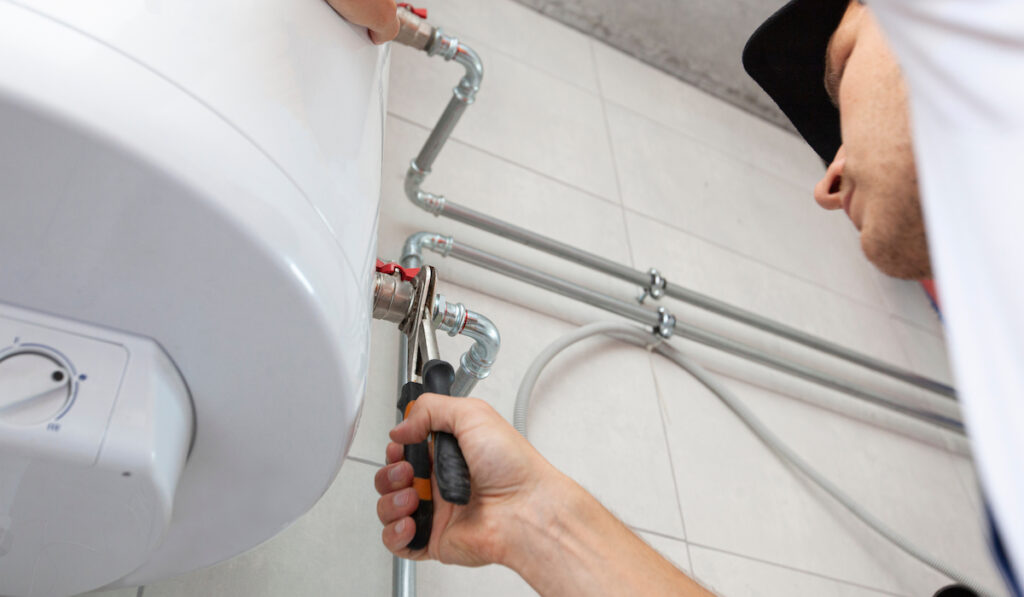
As a fervent reader on Tips on Maintaining a Water Heater, I was thinking sharing that article post was really helpful. I beg you set aside a second to distribute this blog post if you enjoyed it. Thank you so much for taking the time to read it.
Visit My Site